Table Of Content
You can ask your child to avoid head-to-head contact with other kids during playtime. Avoiding shared spaces for clothing and hats, such as closets and lockers, may also help prevent the spread of lice. As with head lice, pubic lice lay their eggs on the base of hair shafts.
When to See a Healthcare Provider
As distressing as it can be to hear that you or your child has lice, infestations are readily treatable. If using an over-the-counter lice killer (pediculicide), follow the instructions carefully and use a lice comb to remove any eggs attached to hair follicles. Your health care provider will likely recommend a medication available without a prescription that kills lice and some of the nits. Therefore, an appropriately timed second treatment is usually necessary to kill nymphs after they hatch but before they become adult lice. One of the reasons over-the-counter head lice treatments don’t work is because they are not used as directed. Parents may split one dose into several applications or otherwise deviate from the directions.

How do you treat head lice?
Preschool and elementary school students have the highest risk of getting head lice. While transmission of lice via inanimate objects may be possible, it’s been found to be highly unlikely. Some of these inanimate objects may include brushes, combs, barrettes, headbands, headphones, and hats. Washing hats, pillow cases and similar items that touch the head in hot water may help contain head lice.
What if the treatment doesn’t work?
Head lice may also spread when items of clothing are stored together. For example, hats or scarves hung on the same hook or stored in the same school locker could serve as vehicles for spreading lice. Having head lice isn't a sign of poor personal hygiene or an unclean living environment. As she moves back into her uncle and aunt's home, Anna learns the hair product is made with pig's blood, intended to help feed the hair. She sees new advertisements for Culture featuring Zora, who survived and is now fully possessed by the witches' hair. She finishes reading the story of the Moss Haired Girl, which tells of the plantation master's descendants continuing to farm the hair, knowing of its controlling abilities.
'Millions' of Headlice Crawling in Girl's Hair Watched Over 9M Times - Newsweek
'Millions' of Headlice Crawling in Girl's Hair Watched Over 9M Times.
Posted: Mon, 02 Oct 2023 07:00:00 GMT [source]
They’ll be able to help prescribe a different medication and recommend prevention tips. Lice are commonly transferred from schoolchildren or by sharing combs, brushes, and towels. You can use over-the-counter (OTC) treatments, prescription treatments, or home remedies to kill and remove head lice. There isn’t any scientific evidence that at-home remedies, like using salt or other food products like olive oil or mayonnaise, get rid of head lice. The only recommended treatment for head lice is over-the-counter medicated or prescription shampoos, lotions or creams.
Close
Ask your health care provider for written instructions for a recommended treatment schedule. There’s also an increased risk of head lice for family members of school-aged children. People who work in a day care center, preschool, or elementary school share this risk.
Head Lice Is Back In School As We Return Post-Pandemic - Bloomberg
Head Lice Is Back In School As We Return Post-Pandemic.
Posted: Tue, 19 Dec 2023 08:00:00 GMT [source]
Anna's new hair helps her succeed, getting her noticed by an old work flame, Julius. Despite the VJs' reluctance to change to a more commercial appearance, Anna convinces them to sport the new weaves. However, she begins to notice strange phenomena, such as the hair moving on its own, intense hunger pangs, and dreams of hair being cut on a plantation. When her drunk landlord, Mr. Tannen, attempts to rape her, Anna's hair becomes active and stabs him. It then surges into the wound and drains Tannen of his blood, killing him.
Lice are definitely not the sort of guests you want in your home. If it hatches, each lice egg has the potential to become one louse. If they’re one-quarter inch or more away from the scalp, they have already hatched, and your infestation is of a longer duration. Kindly complete the form below with as much information as you feel comfortable sharing. Rest assured that your personal details are kept confidential and secure. These are frequently asked questions about lice, and we've got you covered with all the answers and more!
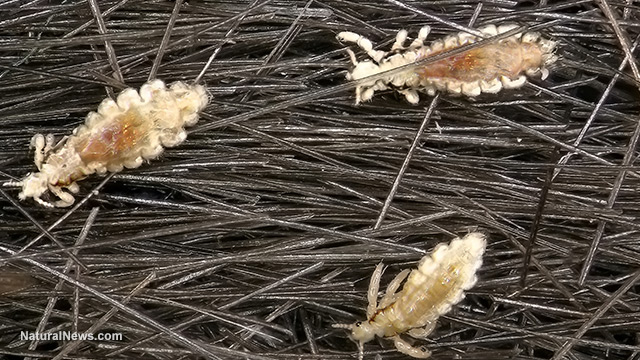
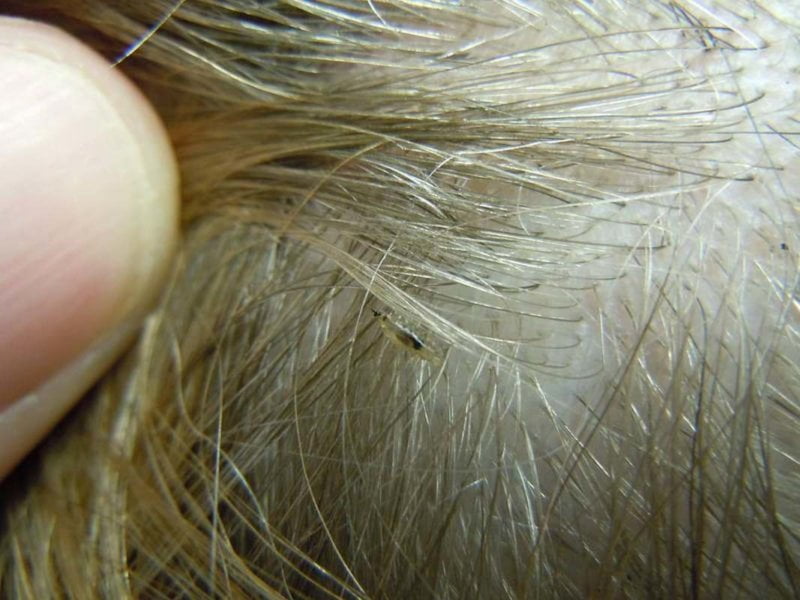
The color of pubic lice can also range from grayish-white to beige. Therefore, a physical inspection of body lice should involve not only the body of the affected individual but their clothes and bedding as well. You can inspect for visual signs of head lice in a well-lit area using a magnifying glass, medical gloves, and a tongue depressor or pencil to move sections of hair. When school outbreaks occur, the infestation can easily spread to family members and others. Another common misconception is that head lice can jump or fly from one person to another. Head lice only crawl, most often leading to transmission through direct head-to-head contact.
However, there's little to no clinical evidence that home treatments are effective. If the provider doesn't find any live nits, they're probably left from a previous case of head lice and don't need to be treated. Prescription lice treatments may also include other chemicals.
Reduce that risk by cleaning your house properly and primarily avoiding head-to-head contact with people who have head lice until they’ve been treated. It’s possible that you are dealing with head lice that are resistant to the active ingredient in your treatment product. Consult with your pediatrician or contact a pediatric dermatologist for a prescription head lice treatment. A national survey asked moms about removing lice and found that most didn’t have accurate facts. Almost 90 percent of moms believe they need to remove eggs (nits,) and half of moms thought they should apply multiple treatments for head lice. However, Ansell adds that in extremely rare cases, severe lice infestations may contribute to iron deficiency anemia, which could play a part in hair loss.
Head lice occur on the scalp and are easiest to see at the nape of the neck and over the ears. Small nits (eggs) resembling tiny pussy willow buds about the size of dandruff flakes are visible on hair shafts. People also use a number of home or natural remedies to get rid of head lice.
Adult lice lay nits (eggs) on hair shafts (where the hair projects from the scalp) and stick to the scalp. On first appearance, lice and dandruff flakes can be mistaken for one another because of their common size and yellowish-white color. Lice usually don't live past one day without feeding from a human scalp. And eggs can't survive without the temperature near the scalp. Therefore, the chance of lice surviving on household items is small. If you prefer not to use a medication for treating head lice, you may consider a home treatment.
As a parent of primary school-aged children himself he knows how quickly they will start complaining after a session of combing. Unfortunately head lice are becoming increasingly resistant to the most common synthetic chemicals used to kill them. So if you see what looks like nits more than a centimetre or two away from the scalp it means the eggs have already hatched and you may be seeing a sign of a previous infestation. Another myth is that head lice are more likely to infest dirty messy hair than clean neat hair but actually there's no evidence to support this.
Remind your child to avoid making head-to-head contact with other children during playtime. See your family's health care provider or pediatrician if you suspect that your child has head lice. The provider will examine your child's scalp and look for a live nymph or adult louse to determine if he or she has head lice. If necessary, the provider can examine suspect items under a microscope before confirming that head lice are present. Some parents turn to home remedies for head lice, such as tea tree oil, mayonnaise, neem oil, vinegar, saline spray and many others.
That said, it is possible to notice some temporary hair loss during a lice infestation or directly after you treat your scalp for head lice. Over the years, some lice (called “super lice”) evolved so that the over-the-counter treatments don’t effectively kill the lice. Powerful prescription drugs are available that can eliminate super lice with one dose.


No comments:
Post a Comment